A traineeship is often a first taste of the professional world. It’s a way of moving from theory to practice, discovering a profession and understanding how things work ‘in the real world’. My three-month placement at Bleen was all of that, but also much more. It enabled me to develop my skills, of course, but above all to broaden my understanding of sustainability and how I can make a practical contribution to it. It was in this context that I was quickly immersed in practical projects, at the heart of the challenges of the energy transition.
A quick introduction to practical topics
From my very first weeks at Bleen, I had the opportunity to work on a variety of assignments, playing a genuine role in the team’s projects. Very quickly, I found myself carrying out research and benchmarking on trends, practices and regulations relating to sustainability, as well as contributing to more practical discussions about client needs.
I also took part in analysing quantitative and qualitative data to support responses to tenders and deliverables, as well as drafting presentations and strategic recommendations. What I particularly enjoyed was precisely this diversity – moving from analytical work to a more creative or educational approach, whilst maintaining a common thread: that of the transition. I quickly realised that at Bleen, these projects form part of a broader vision: to contribute to an economy that is decarbonised, regenerative and distributive. It’s a concrete way of giving meaning to the work we do every day.
Discovering the importance of education in sustainability
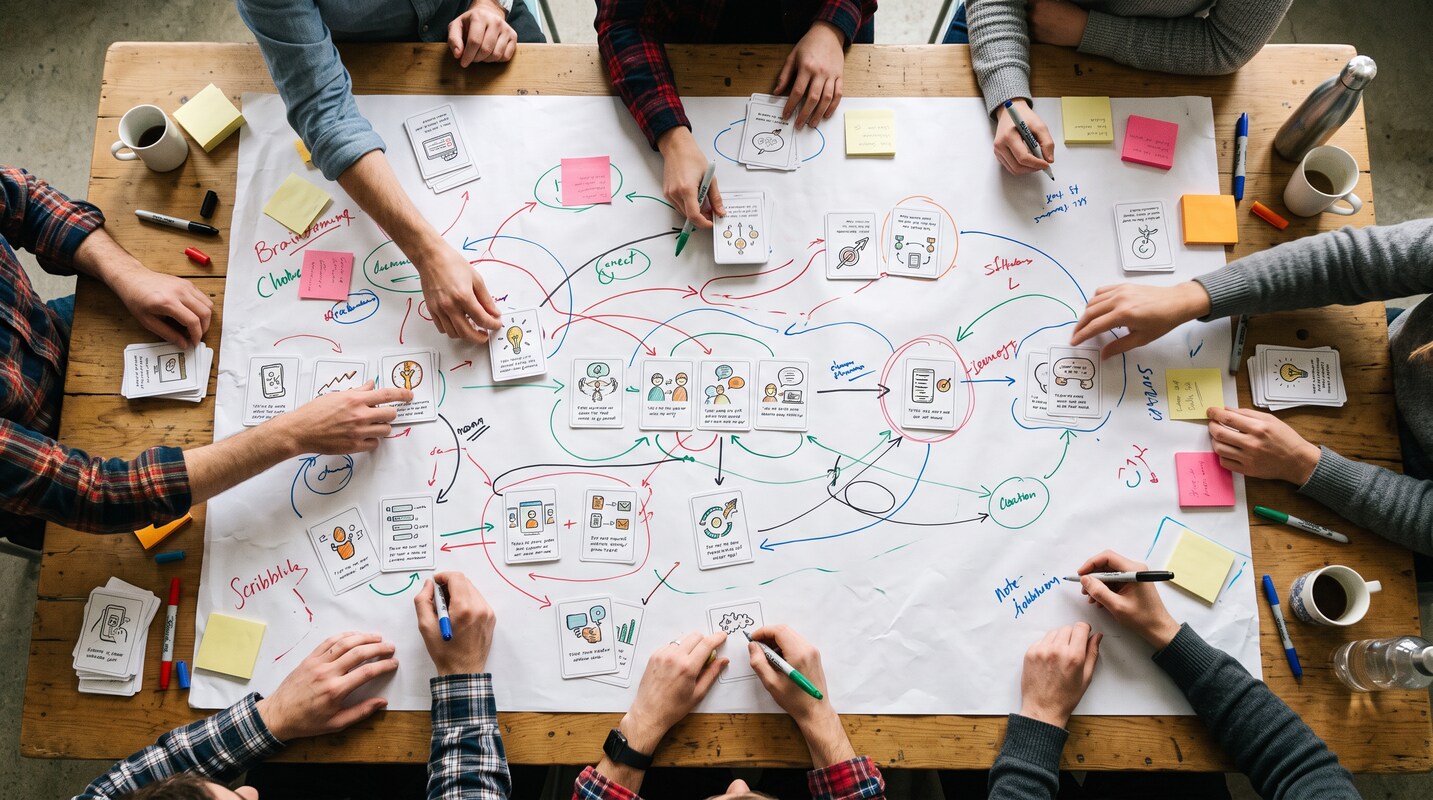
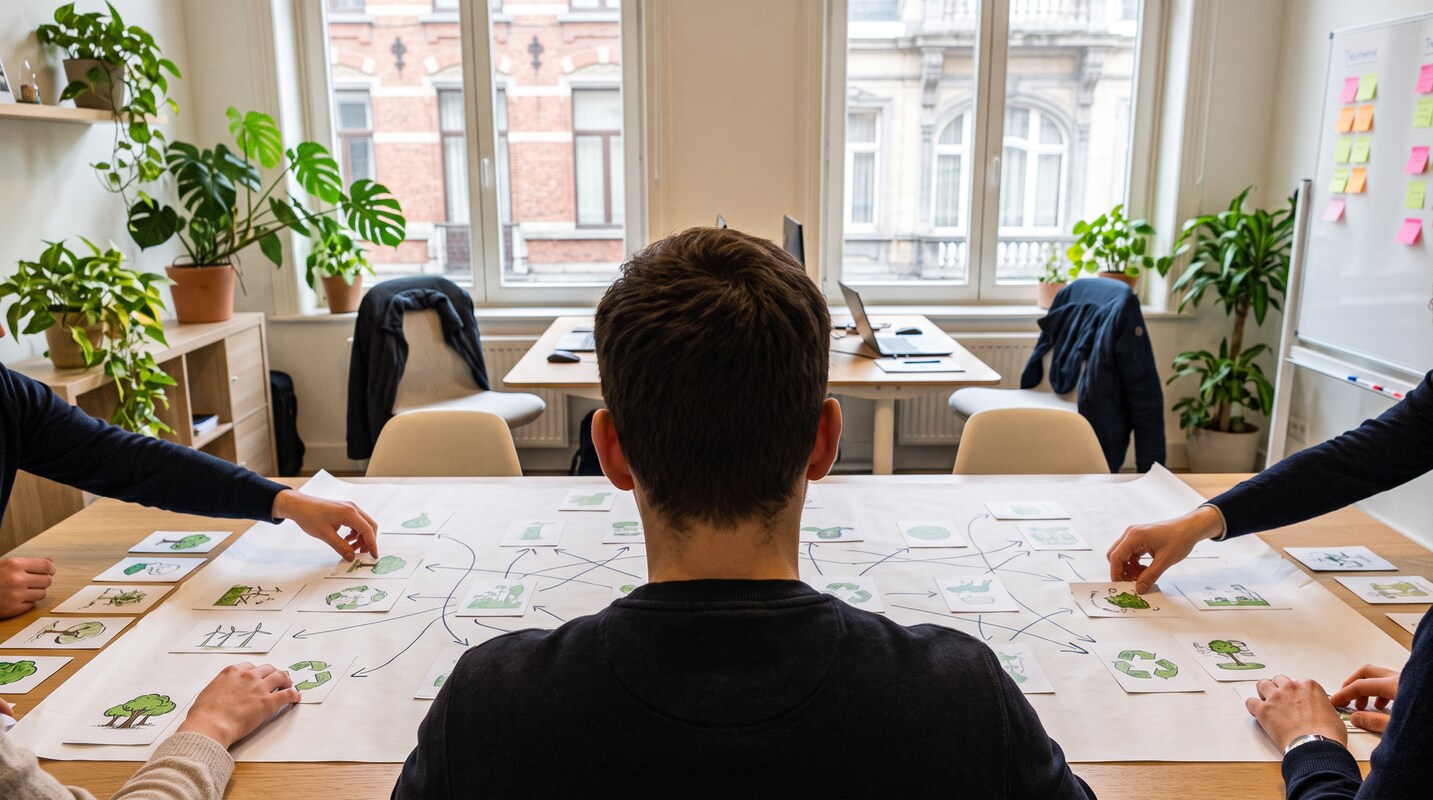
One of the most memorable aspects of my traineeship was everything to do with frescoes, workshops and facilitation. At Bleen, sustainability is not just about findings or reports. It is also about how we communicate it, how we engage people, and how we make the issues understandable and tangible.
I had the opportunity to contribute to projects involving workshop and awareness-raising formats, with all that this entails: structuring content, thinking through the educational approach, and making a complex subject clearer and more engaging. This aspect has taught me a great deal, because it shows that when it comes to sustainability, it is not enough simply to ‘know’. One must also know how to help people understand, respond and get involved.
It was also in this context that I discovered an approach that made a particular impression on me: ‘make the transition sexy’. It’s a way of moving away from a purely restrictive narrative to offer a vision that is more engaging, inspiring and, above all, appealing. Thanks to Bleen, I also had the opportunity to train in facilitating the Climate Fresk. I was then able to offer this to friends and family, providing a practical way to extend this awareness-raising beyond the workplace. Seeing the discussions it sparks and the realisations that emerge makes this experience particularly rewarding.
Moving from an interest in the subject to a more in-depth understanding
Before this traineeship, I was already very interested in sustainability issues. I felt I had a relatively clear understanding of them. But by working on these issues on a day-to-day basis, I quickly realised that there is a difference between being aware of the transition and actually grasping its full complexity.
These three months have made me realise just how demanding these issues are; you have to consider environmental, social, regulatory, economic and strategic dimensions all at once. You also have to accept that there isn’t always a simple answer. And ultimately, that’s what makes the field so fascinating. Taking this step back has been very useful for me. It has taught me to be more rigorous, more nuanced, and above all more humble in the face of challenges that profoundly affect the way in which organisations will need to evolve in the years to come. It has also made me much more aware of these issues in my day-to-day life, to the point where I naturally feel the urge to talk about them with those around me and to do my bit to raise awareness amongst others.
A highly formative experience, both personally and professionally
Beyond the assignments themselves, I also remember the way I was welcomed into the team. Right from the start, I sensed a working atmosphere that was both demanding and supportive, which allowed me to progress quickly whilst feeling confident. But what particularly struck me was the team spirit. Very quickly, we moved beyond the purely professional sphere. We shared moments together, whether at after-work get-togethers, ‘lunch and learn’ sessions to explore a variety of topics, or even playing board games about the environment… or almost.
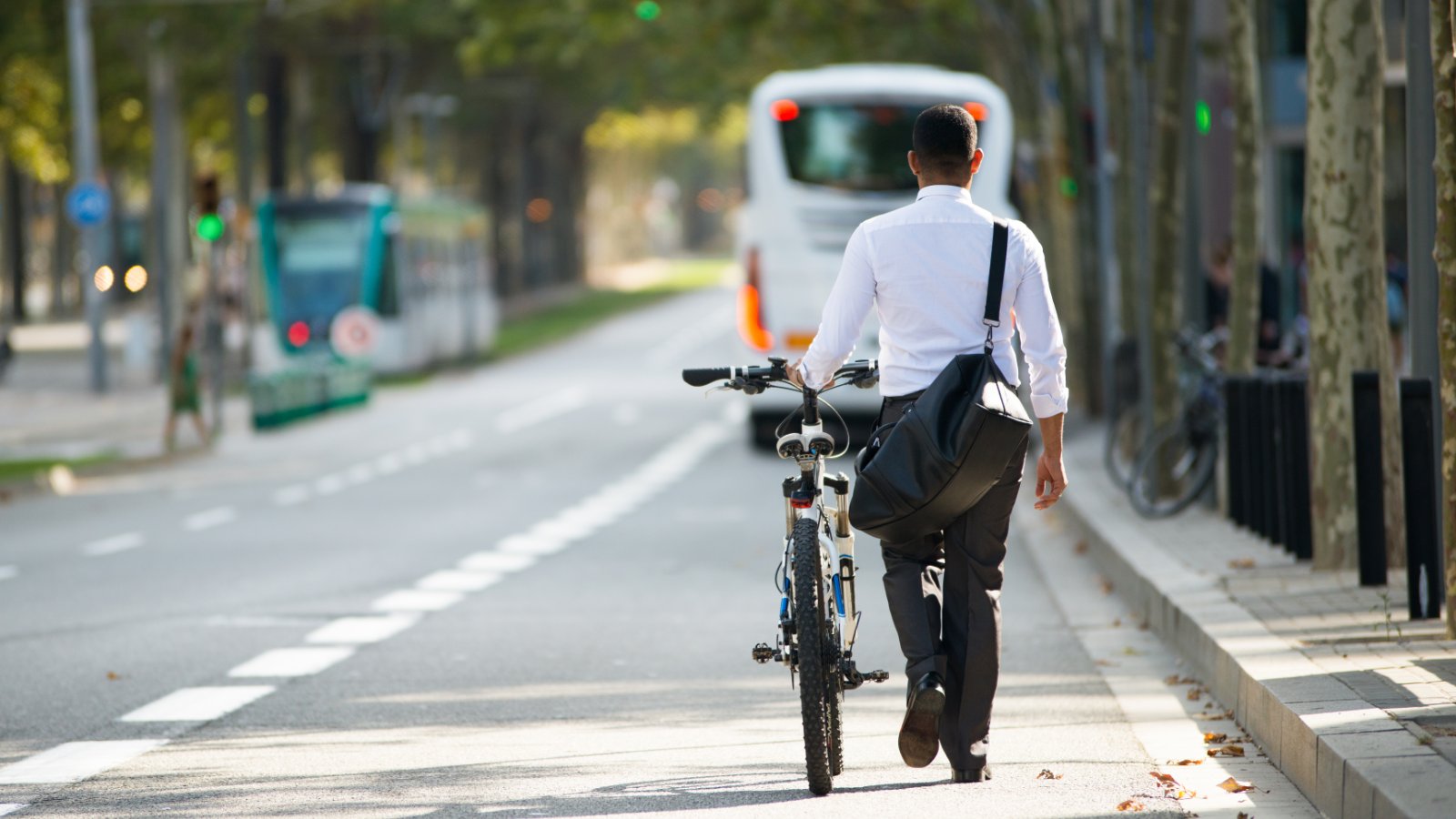
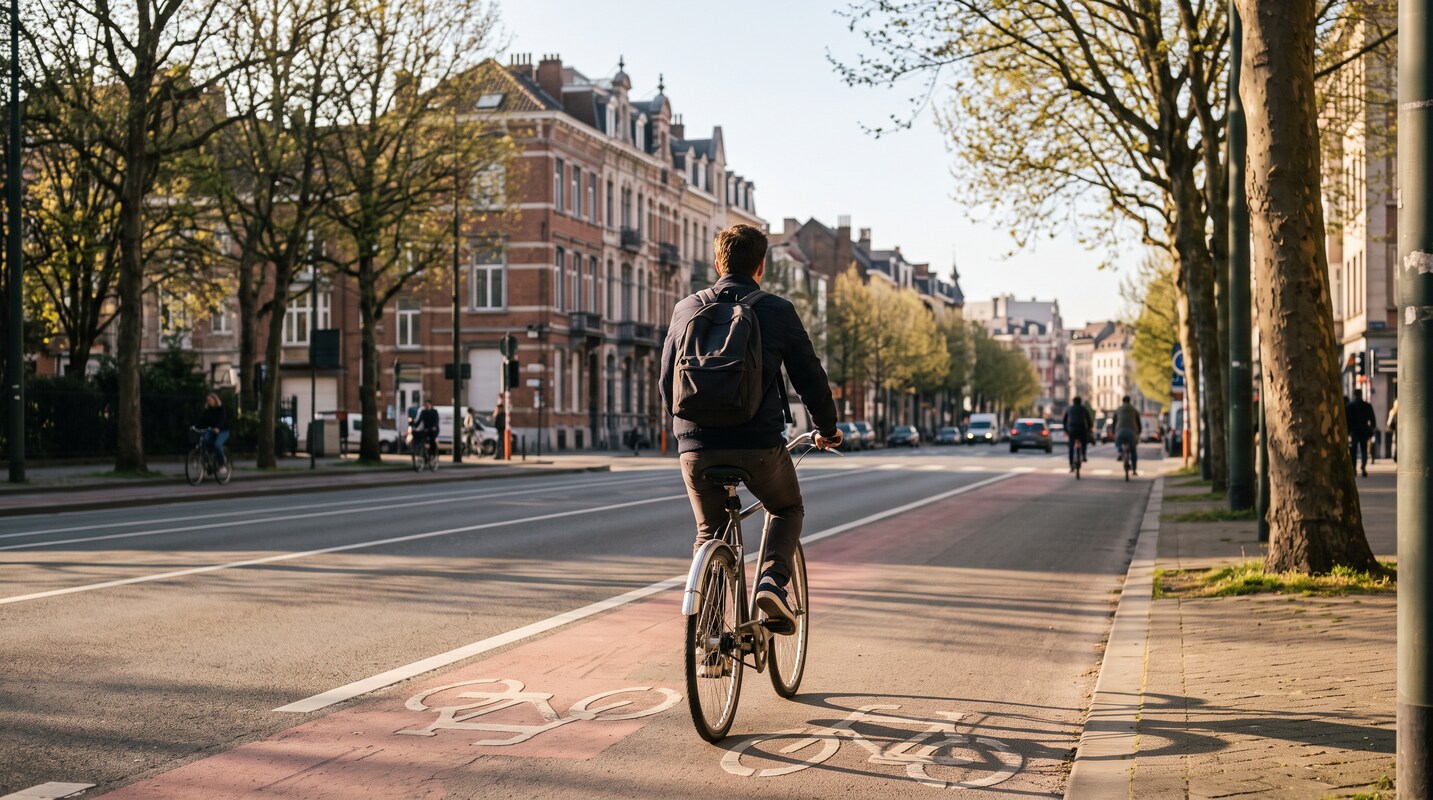
As the offices are in the city centre, I’ve also got into the habit of cycling in every day, even though I live outside Brussels. What I initially thought would be a hassle has gradually become a real pleasure, especially now that the warmer weathers have arrived. It’s a very practical way of living out, on a day-to-day basis, the values upheld by the company.
There are also those habits that build a sense of community, such as the Thursday runs to prepare for the Brussels 20km. These may seem like small details, but they completely transform the day-to-day experience and really strengthen the sense of belonging to the team.
Working with the team on various internal and client projects has enabled me to develop analytical, summarising, communication and collaborative skills. I have learnt to structure my thinking more effectively, to adapt my work to different contexts, and to contribute to deliverables with a genuine focus on clarity and impact.
What I’ve learnt from this experience
My traineeship was much more than just an academic experience or a simple line on a CV. It enabled me to gain a better understanding of what it actually means to work in sustainability consultancy, but also to see just how much the transition relies as much on strategy as on the ability to engage and communicate.
I am leaving with stronger skills, a more realistic view of the challenges ahead, and an even greater desire to continue developing in this field. Above all, I have come away with a simple conviction: given the complexity of sustainability issues, education, collective intelligence and mobilising stakeholders have a vital role to play.
Maxime